


With Easter just around the corner, people in Belarus and other countries are about to indulge in the centuries-old tradition of decorating eggs.
But did you know that egg painting could also be used as a means of protecting intellectual property?
Meet the clown egg registry, a collection of clown makeup designs in the UK. The egg registry itself dates back to 1946, when a chemist Stan Bult began painting the faces of prominent circus clowns on eggs as a hobby. The practice was revived in the 1980s and eventually grew into a huge collection that includes hundreds of eggs.
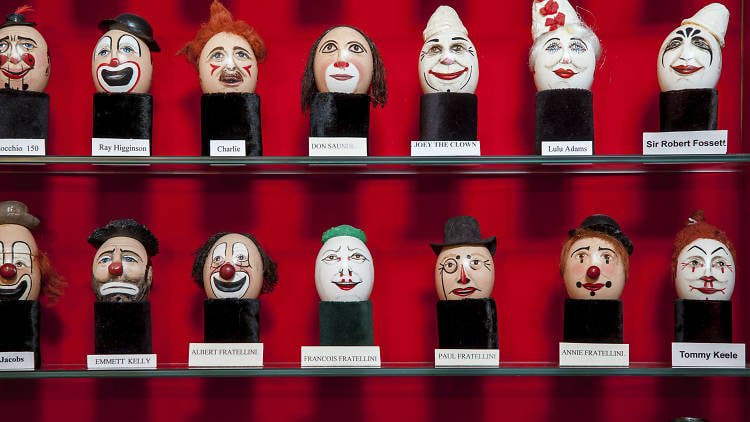
These days the registry is not just clown makeup designs on eggs for the public to enjoy but is also a written record – complete with real name, clown name, date of membership, and serial number – of all Clowns International members dating to the late 1980s. The written registry includes dates so that members could resolve conflicts over similar makeup designs. Such conflicts, however, are relatively rare as there is un written rule in the clown community that clowns not copy one another.
As a result, many view the registry as a form of copyright, though not a legal one.
But apart from helping avoid repetition of a clown’s makeup designs, the registry serves a number of other purposes, such as showing the new talent coming into the field; giving guidelines of what to do (and not to do) with makeup; making the art of clowning more prestigious; providing a visual historical record of significant clowns for posterity, to name but a few.
And although this egg-based system of registering clowns’ makeup designs operates outside the courts and is not enforced by lawyers, it re-enforces the idea that the legal regulation of creativity is extremely important. By obtaining access to legal tools to control how their works are used, creators feel encouraged to produce more art, safe in the knowledge that they can profit from it.
 ave. Nezavisimosti, 56-302 Minsk, Belarus, 220005
 mon-fr: 9.00 - 18.00


